Headless CMS Architecture: Sanity, Strapi, and Contentful Comparison
Choose the best headless CMS for your project by comparing architecture, features, pricing, and developer experience.

The Headless CMS Landscape in 2026
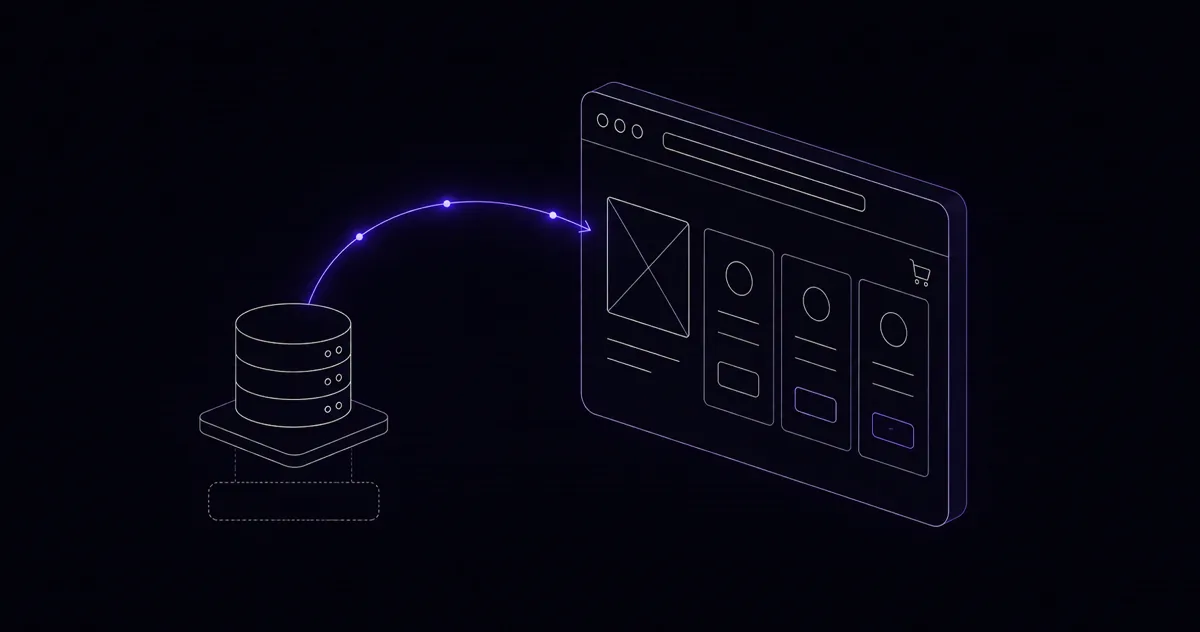
Headless CMS platforms decouple content management from content presentation, enabling developers to deliver content to any front end — Next.js, React Native, Flutter, or static sites — through APIs. The three most widely deployed platforms in 2026 are Sanity, Strapi, and Contentful, each representing a distinct philosophy: real-time collaborative editing, self-hosted open source, and enterprise managed service respectively. Choosing the wrong platform for your project creates costly migration pain. This guide provides a rigorous comparison across the dimensions that matter most.
Feature Matrix Overview
- Sanity: Hosted, real-time CRDT-based collaborative editing, GROQ query language, React-based Studio, usage-based pricing
- Strapi: Open source, self-hosted, REST and GraphQL APIs, plugin ecosystem, PostgreSQL/MySQL/SQLite
- Contentful: Hosted SaaS, enterprise-focused, rich API ecosystem, content modeling UI, expensive at scale
Pricing Comparison
Pricing is where the differences become most stark. Sanity offers a generous free tier (3 users, 10GB assets, 500k API requests/month) and a Growth plan at $15/user/month. For teams under 10, Sanity is typically the most affordable hosted option. Contentful starts free for small projects but their Team plan at $300/month and Enterprise plans running $2,000+/month make it cost-prohibitive for independent developers and small agencies. Strapi is free and open source — your only costs are VPS hosting ($10–40/month on DigitalOcean or Hetzner). For cost-conscious projects, Strapi on a VPS is the clear winner.
Developer Experience
Sanity's developer experience is exceptional. Schema definition in TypeScript, the GROQ query language, and the customizable Studio provide a cohesive developer workflow:
// sanity/schemas/post.ts
export default {
  name: 'post',
  title: 'Blog Post',
  type: 'document',
  fields: [
    { name: 'title', type: 'string', title: 'Title' },
    { name: 'slug', type: 'slug', options: { source: 'title' } },
    { name: 'body', type: 'array', of: [{ type: 'block' }] },
    { name: 'author', type: 'reference', to: [{ type: 'author' }] },
  ]
};
Strapi's developer experience is solid for self-hosted scenarios. The admin panel generates content types via UI with corresponding REST and GraphQL APIs automatically. The plugin system is mature, and the codebase is familiar to anyone who has worked with Koa.js. The main friction point is deployment and updates — you own the infrastructure and must handle upgrades carefully to avoid breaking customizations.
Contentful's developer experience is polished but constrained by its SaaS model. Content type changes must go through the dashboard UI, and the API is well-documented but not as flexible as GROQ or custom GraphQL resolvers.
Content Modeling Flexibility
Sanity has the most flexible content modeling — blocks, references, custom input components, and conditional fields are all first-class. Portable Text (Sanity's rich text format) supports embedded blocks, references, and custom marks, making it powerful for complex editorial workflows. Strapi's content type builder handles most use cases with components and dynamic zones. Contentful's content modeling is the most rigid — the field type system is simpler and customization requires app framework integrations.
Real-Time Preview
Sanity's real-time collaborative editing and live preview integration with Next.js Draft Mode is best-in-class. Multiple editors can work on the same document simultaneously with CRDT conflict resolution. The @sanity/preview-kit package enables live overlay previews in Next.js where editors see exactly how content looks in production without leaving the Studio. Strapi supports draft/published workflow but lacks collaborative real-time editing. Contentful offers a Preview API and draft environments, functional but not as seamless as Sanity's integration.
Media Handling
All three platforms handle basic image and file uploads. Sanity includes automatic image optimization via its CDN with URL-based transformations (?w=800&auto=format). Strapi stores files locally or delegates to AWS S3/Cloudinary via plugins. Contentful's Images API provides server-side resizing and format conversion. For projects with heavy media workflows, Sanity's built-in image pipeline is the most convenient.
API Options
Sanity provides GROQ (Graph-Relational Object Queries) — a powerful query language that outperforms REST for complex content relationships — and a GraphQL API. Strapi generates both REST and GraphQL automatically from your content types. Contentful provides REST, GraphQL, and a Content Delivery API optimized for edge caching.
Self-Hosting Capability
Strapi is the only option with full self-hosting capability. You control the database, the application server, and all data. For projects with strict data residency requirements, regulated industries, or significant scale concerns about SaaS pricing, Strapi on your own infrastructure is the only viable choice. Sanity and Contentful are SaaS-only — your content is on their infrastructure.
Migration Considerations
Migrating between headless CMS platforms is significantly more complex than migrating databases. Content structures, rich text formats (Portable Text vs Contentful Rich Text vs Strapi blocks), and media references all differ. Budget 2–4 weeks for a medium-sized migration and expect 100% of content templates to require updates. Export capabilities: Sanity has a full export via CLI, Strapi can dump its PostgreSQL database, Contentful provides export via the Migration CLI. Build migration as early as possible in any CMS evaluation — it reveals hidden complexity that product demos never show.
For most developer-led projects in 2026: use Sanity for real-time collaborative editorial workflows, Strapi for self-hosted control and budget constraints, and Contentful only when enterprise procurement and SLA requirements mandate it.
Want this built for your business?