Custom AI Chatbot vs ChatGPT for Business: What Actually Ships
A custom AI chatbot beats raw ChatGPT for business because it answers from your data, stays on-brand, and doesn't hallucinate your refund policy. Here's the engineering reality from someone who runs a production AI SaaS.

Choosing a custom AI chatbot vs ChatGPT for business comes down to one question: should the bot answer from your data, or from the open internet it was trained on? Raw ChatGPT is brilliant at general conversation and useless at quoting your refund window, your pricing tiers, or whether SKU-4471 is in stock. A custom chatbot — built on retrieval-augmented generation (RAG) over your own content — answers from facts you control. That difference is the whole ballgame for a business.
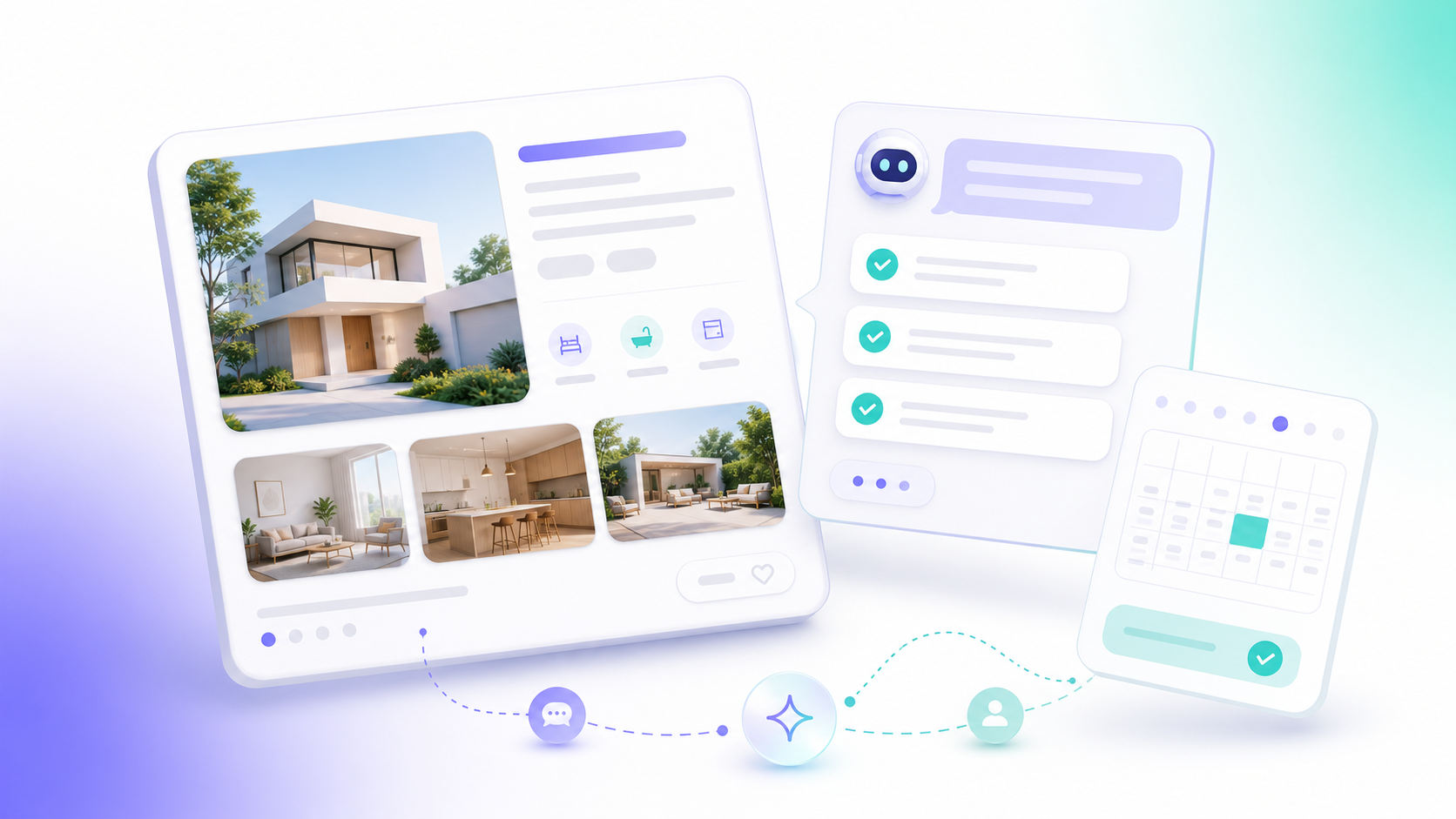
I'm Waqas Ahmed Waseer, a full-stack engineer (Top-Rated-Plus on Upwork, 8+ years). I don't just advise on this — I build and operate FlowMaticX, a production AI SaaS that real businesses run on today. One of them is Armela, a Dubai real-estate firm. So this isn't theory. It's what I see break and what I see work in production.
Custom AI Chatbot vs ChatGPT for Business: the core difference
Plain ChatGPT — even the paid tiers — is a general assistant. It has no memory of your business, no live access to your inventory or CRM, and no guardrails stopping it from inventing an answer that sounds confident and is flat wrong. For casual use, fine. For a customer-facing channel where a wrong answer becomes a refund dispute or a lost sale, that's a liability.
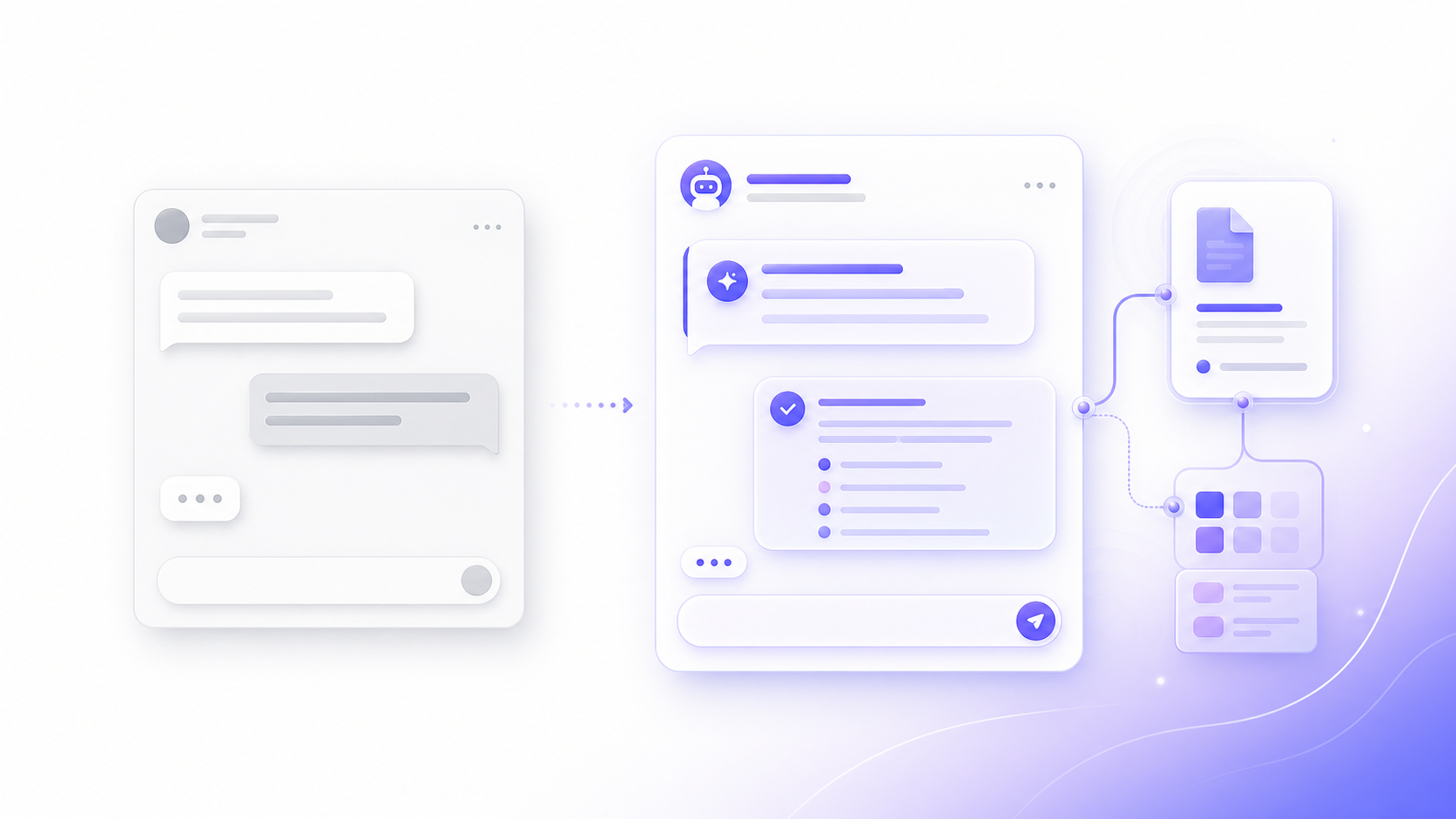
A custom AI chatbot flips the model. Instead of asking the LLM to "know" your business, you retrieve the relevant facts from your own documents at query time and hand them to the model with the question. The model reasons over your truth, not its training data. That's RAG, and it's the single most important architectural choice for business chatbots.
| Capability | Raw ChatGPT | Custom RAG Chatbot |
|---|---|---|
| Answers from your data | No — general training only | Yes — your docs, pricing, FAQs |
| Hallucination control | Weak — confident wrong answers | Strong — grounded in retrieved facts |
| Live data (stock, CRM, bookings) | No native access | Yes — via tools and APIs |
| Brand voice and tone control | Generic | Tuned to your brand |
| Multi-language | Yes, but uncontrolled | Yes, scoped to your markets |
| Data ownership and logs | Sits in a third-party chat UI | You own the data and analytics |
| Lead capture and handoff | None | Built into the flow |
Why hallucination is the dealbreaker
The failure mode that kills business chatbots isn't "the bot didn't know" — it's "the bot made something up." Raw ChatGPT will happily tell a customer you offer a 60-day return when you offer 14. It's not lying; it's pattern-matching from the internet. There's no mechanism forcing it to check your actual policy.
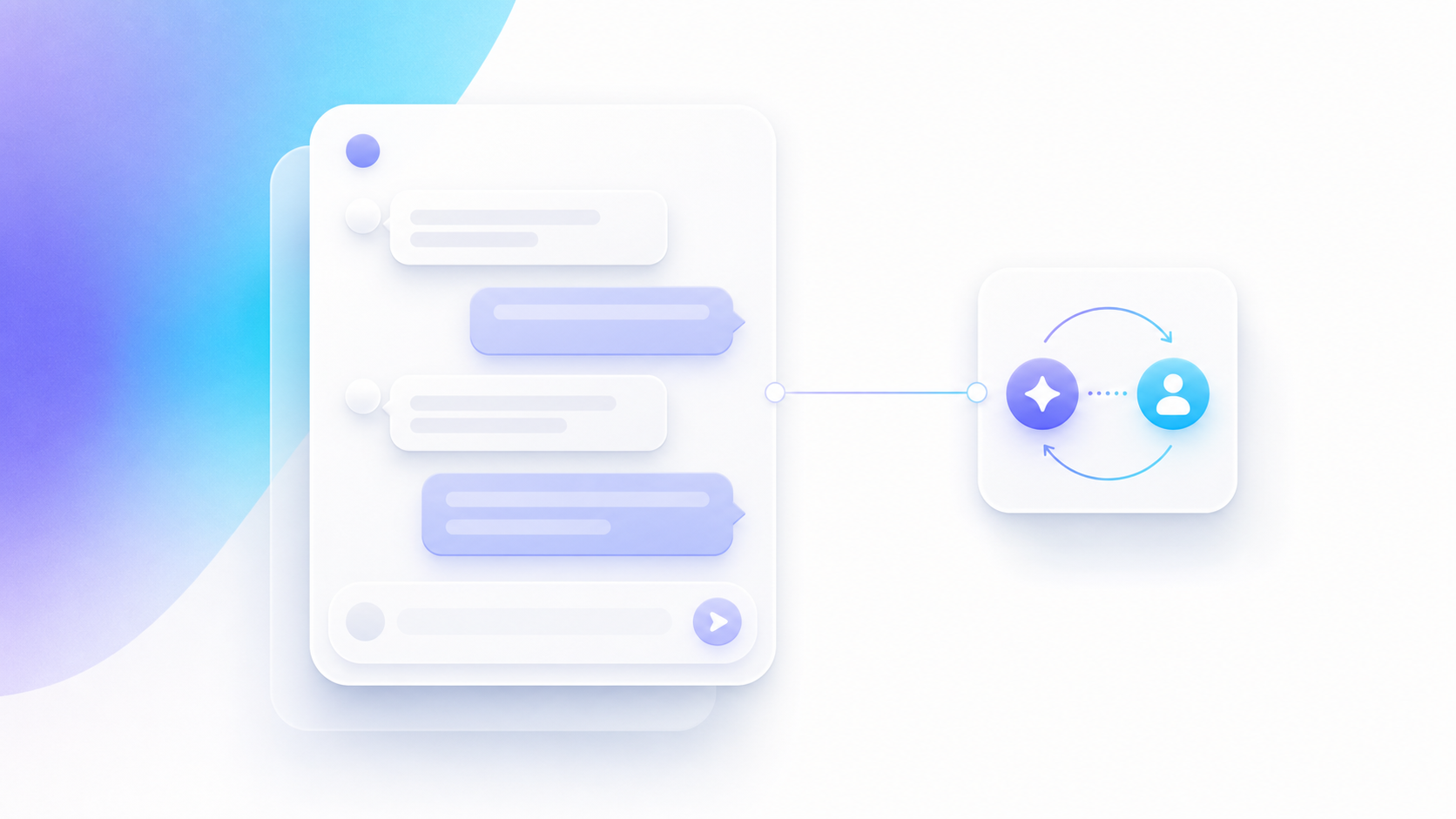
A RAG system constrains the model to retrieved passages. If the answer isn't in your knowledge base, a well-built bot says "I don't have that — let me connect you to the team" instead of inventing one. On FlowMaticX I treat that boundary as non-negotiable: grounded answers, explicit fallback, and a clean handoff path. That's what separates a demo from something a Dubai real-estate firm puts in front of buyers.
What a custom chatbot does that ChatGPT can't
- Reads your private data. Product catalogs, internal docs, pricing sheets, past tickets — ingested, embedded, and searchable. ChatGPT never sees these.
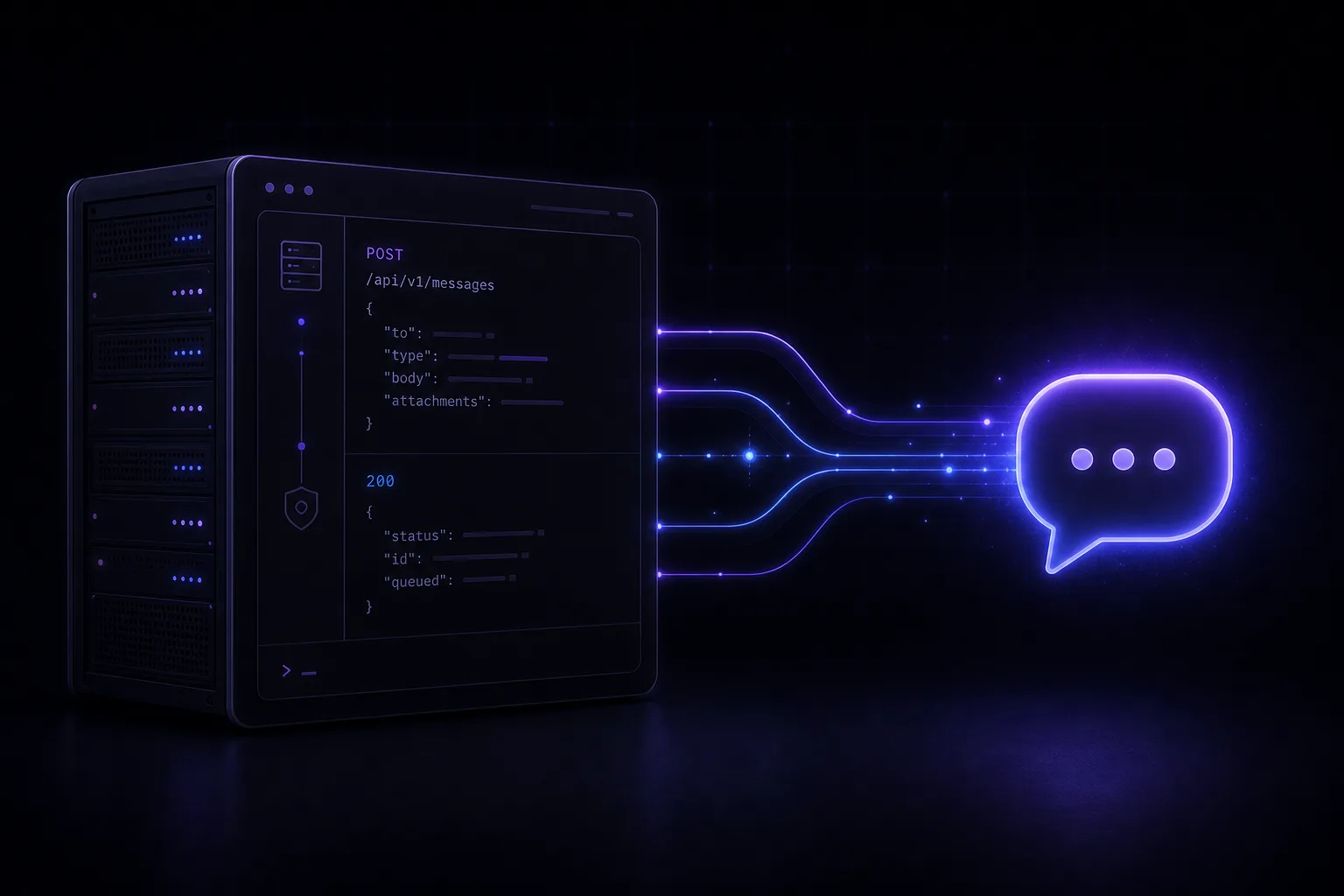
- Calls live systems. Check stock, look up an order, book a slot, create a CRM lead. The chatbot acts, not just chats.
- Holds your brand voice. Tone, formatting, the things you never say — all enforced in the system layer.
- Captures and qualifies leads. A conversation that ends in a booked call or a captured email, not a dead end.
- Speaks your customers' languages. FlowMaticX handles 10 languages, scoped to the markets a client actually serves — not a random 95.
- Gives you the data. Every conversation is yours: what people ask, where they drop off, what the bot couldn't answer. That feedback loop improves the product.
"Can't I just use the ChatGPT API and a prompt?"
You can start there, and many teams do. The wall you hit fast: a long prompt stuffed with your FAQ doesn't scale, gets expensive per call, and still hallucinates once the question drifts off-script. Prompt-stuffing is a prototype trick, not an architecture.
The real build is a small pipeline: ingest your content, chunk and embed it into a vector store, retrieve the top matches per question, ground the model on those, add tool calls for live data, and wrap it with logging and a fallback. None of that is exotic in 2026 — but it's engineering, and the gap between a weekend demo and something that holds up under real customers is where most DIY attempts stall. That's the gap I close on FlowMaticX every week.
When raw ChatGPT is actually fine
I'll be honest about the other side. If you need an internal brainstorming buddy, draft emails, or summarize documents for your own team, raw ChatGPT is great and you shouldn't build anything. The case for a custom chatbot kicks in the moment it's customer-facing, needs your facts, or has to do something — book, look up, qualify, hand off. At that point, general-purpose stops being enough.
What this looks like in production
FlowMaticX is the proof I point to. It's live for real clients, including Armela, running today in production with multi-language support and RAG over client content. The pattern is repeatable: I scope the knowledge base, wire the retrieval, set the guardrails, connect the live systems that matter, and ship something a business can put on its site without babysitting it. You can see the broader range of what I build on my work — from this AI SaaS to performance-focused web builds like KandyLover (LCP pulled from 3.5s down to 1.8s) and data products like MenuPriceToday (657 items across 16 countries, updated daily).
How to decide for your business
- Is it customer-facing? If yes, lean custom. Brand and accuracy matter more than convenience.
- Does it need your private data? If yes, you need RAG. ChatGPT alone can't do this safely.
- Does it need to act? Bookings, lookups, CRM writes — that's tool use, which means a custom build.
- Do you need the conversation data? Ownership and analytics only come from a system you control.
If you answered yes to two or more, raw ChatGPT will frustrate you within a month. The fix isn't a bigger prompt — it's the right architecture.
The smart way to start is small: a pilot on one high-traffic use case — your top 20 support questions, or a pre-sales qualifier — built on RAG, measured against real conversations. That's how FlowMaticX clients started, and it's how I'd start yours. Book a free call and let's scope a pilot chatbot grounded in your data, not the open internet. Tell me what your customers keep asking, and I'll show you how a custom bot answers it correctly — every time.
Frequently Asked Questions
Is a custom AI chatbot better than ChatGPT for a business?
For customer-facing use, yes. A custom RAG chatbot answers from your own data, controls hallucination, holds your brand voice, and can call live systems like bookings or CRM. Raw ChatGPT does none of that reliably. For internal brainstorming or drafting, plain ChatGPT is fine and you shouldn't build anything.
What is RAG and why does it matter for chatbots?
RAG (retrieval-augmented generation) retrieves relevant facts from your own documents at query time and hands them to the model with the question. The bot reasons over your truth instead of its training data. That's what stops it from inventing a refund policy or quoting wrong prices.
Can't I just put my FAQ in a ChatGPT prompt?
You can prototype that way, but it doesn't scale. Long prompts get expensive per call, hit context limits, and still hallucinate once questions drift off-script. A proper vector-search retrieval pipeline is the durable architecture for anything customer-facing.
How long does it take to build a custom AI chatbot?
A focused pilot on one use case — your top support questions or a pre-sales qualifier — can ship quickly. That's how FlowMaticX clients start. Full multi-system, multi-language deployments take longer, but starting small lets you measure value against real conversations before expanding.
Who is behind FlowMaticX?
Waqas Ahmed Waseer, a Top-Rated-Plus full-stack engineer with 8+ years of experience. FlowMaticX is a production AI SaaS that's live for real clients, including Armela, a Dubai real-estate firm, with RAG and multi-language support running today.
Want this built for your business?